
Clinical insight
A race against cold
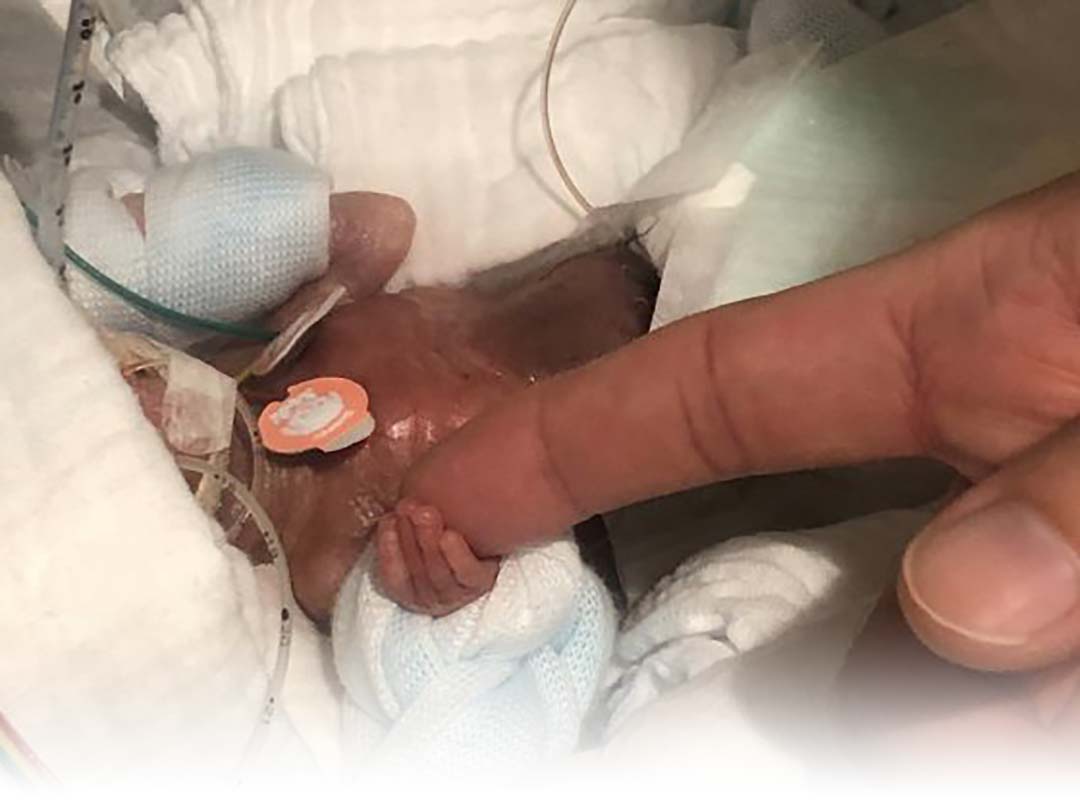
Imagine being born weighing less than a smartphone… less than 300 grams. Your skin is so thin that it is almost transparent. You do not yet have the fat that helps a fullterm baby stay warm. This is not a rare case. It happens every day in neonatal intensive care units around the world. For these extremely low birth weight infants, the first hours of life are not just delicate, they are a race against cold…
An unfinished brain
When a baby is born too early the brain is still immature. The cells that should have developed in the quiet, dark, warm womb are now exposed to a very different place: the neonatal intensive care unit.
In the womb there are no sudden alarm, no bright lights and no sounds as loud as a rock concert. The American Academy of Pediatrics recommends no more than 45 dBA for a preterm baby.
We are asking a brain that is not finished to survive in an environment it was never designed for…
The strangest feeling
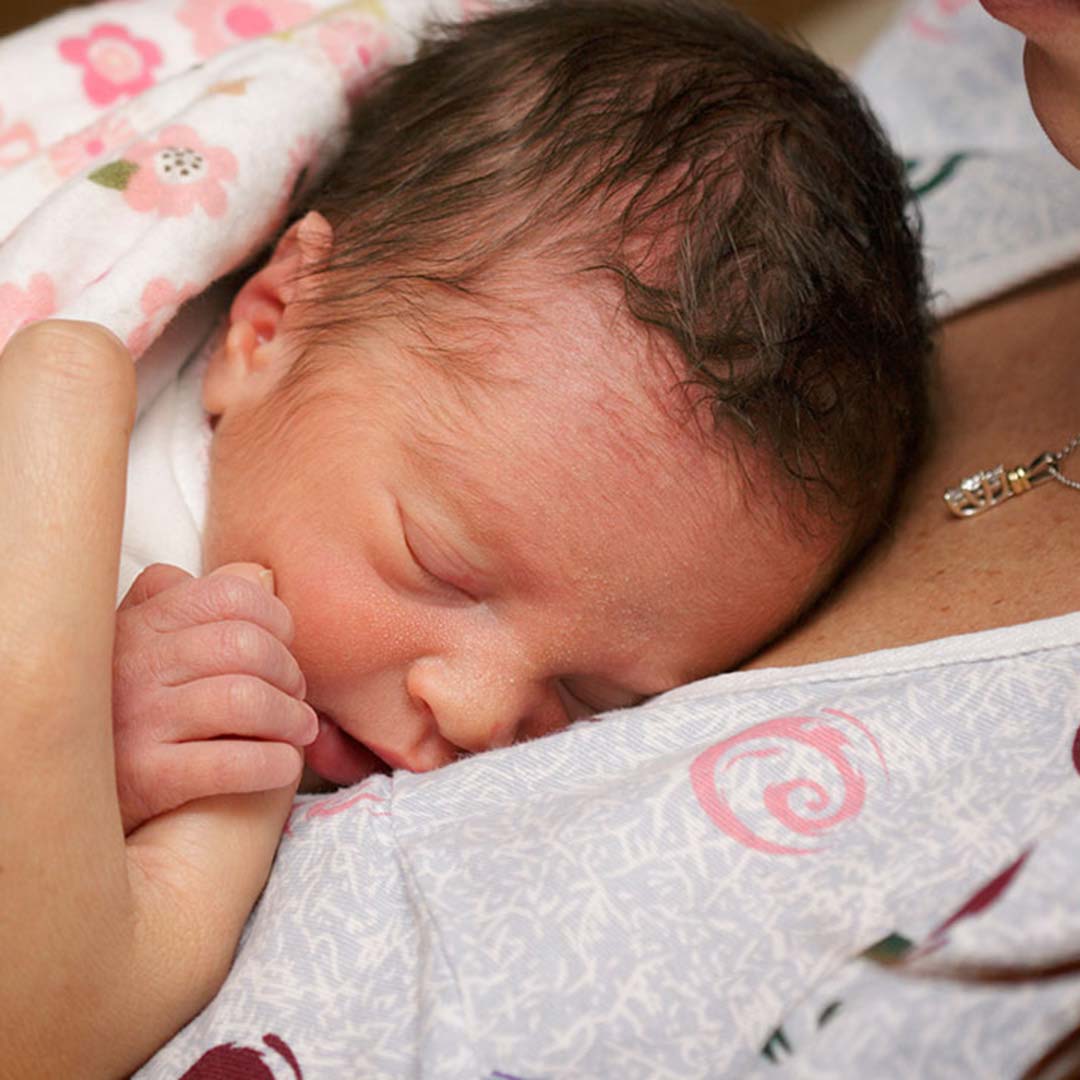
Imagine you have just become a parent. You have waited months for this moment. You have imagined holding your baby, skin to skin, in a quiet room.
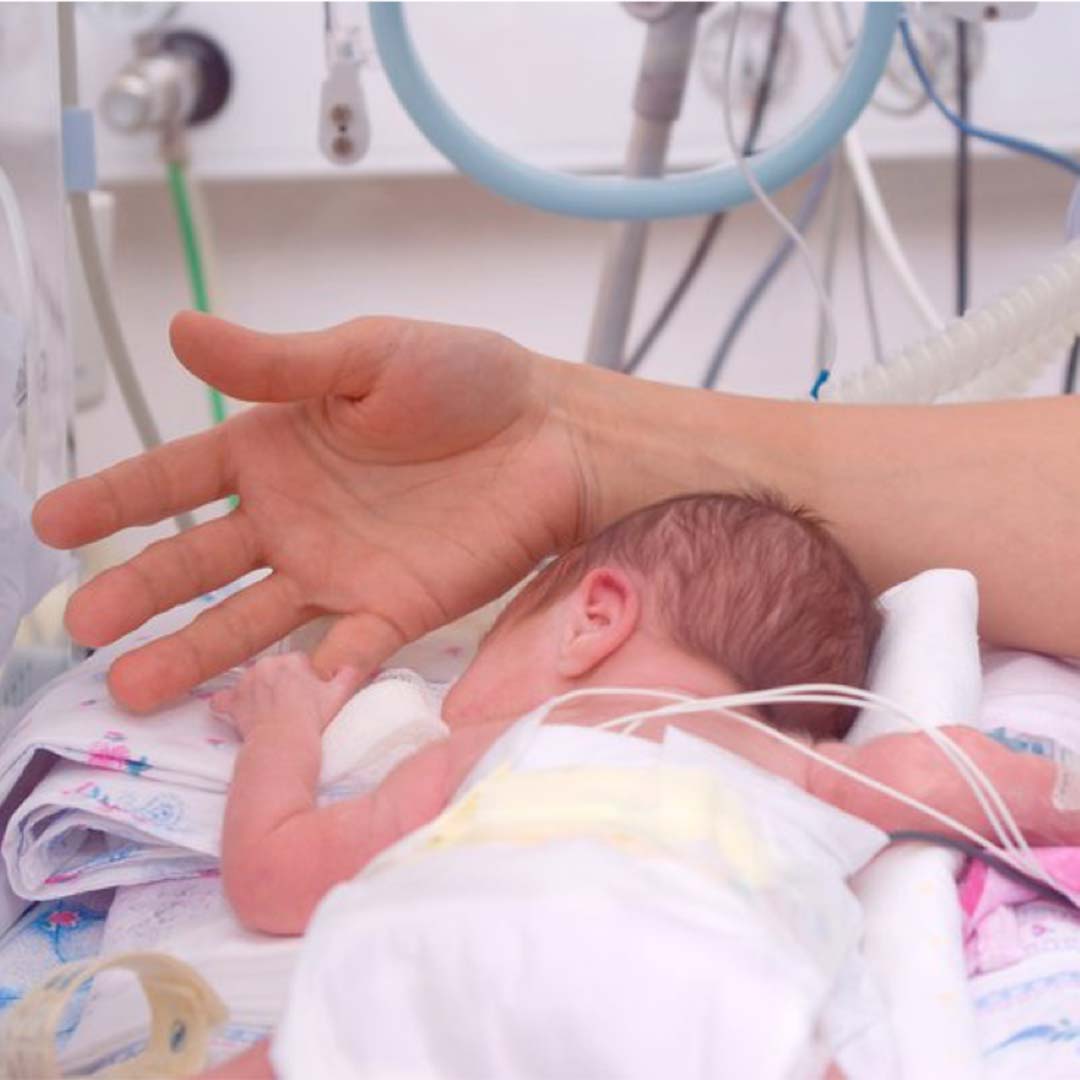
Instead, you are standing next to a plastic box. Your baby – tiny, red, covered in tubes and wires – lies inside. You are not allowed to touch, you are not sure if you are allowed to stay.
The Hidden Risk Inside the Warmth
Infections are the risk that lives inside an incubator. It quite always comes from the very thing that keeps the smallest babies alive: humidity.
For a preterm baby born before 28 weeks, the skin is a membrane much more than a barrier. Water evaporates through it constantly and heat is lost with every drop.
For the first days and weeks of life, high humidity (80 to 90%) is essential because it reduces water loss, protects the skin, and helps maintain temperature stability. Without humidity, the baby cannot stay warm. Without warmth, the baby cannot survive.
But humidity has a dark side…
