The Hidden Risk Inside the Warmth
Infections are the risk that lives inside an incubator. It quite always comes from the very thing that keeps the smallest babies alive: humidity.
For a preterm baby born before 28 weeks, the skin is a membrane much more than a barrier. Water evaporates through it constantly and heat is lost with every drop. For the first days and weeks of life, high humidity (80 to 90%) is essential because it reduces water loss, protects the skin, and helps maintain temperature stability. Without humidity, the baby cannot stay warm. Without warmth, the baby cannot survive. But humidity has a dark side…
A warm, humid incubator is a perfect environment not just for the baby but also for bacteria.
For a baby with an immature immune system, an infection that would be mild in an adult can be fatal. Babies born at 24 weeks have almost none of that protection. Their only defense is the environment we create for them.
In theory, the solution is simple: change the incubator every seven days, clean it thoroughly and disinfect all surfaces. But in practice, this is not simple at all.
First, changing an incubator means moving the baby and for an ELBW infant, handling is dangerous. Minimal handling is not a preference but a clinical necessity. Moving the baby to a new incubator creates stress, heat loss, and risk.
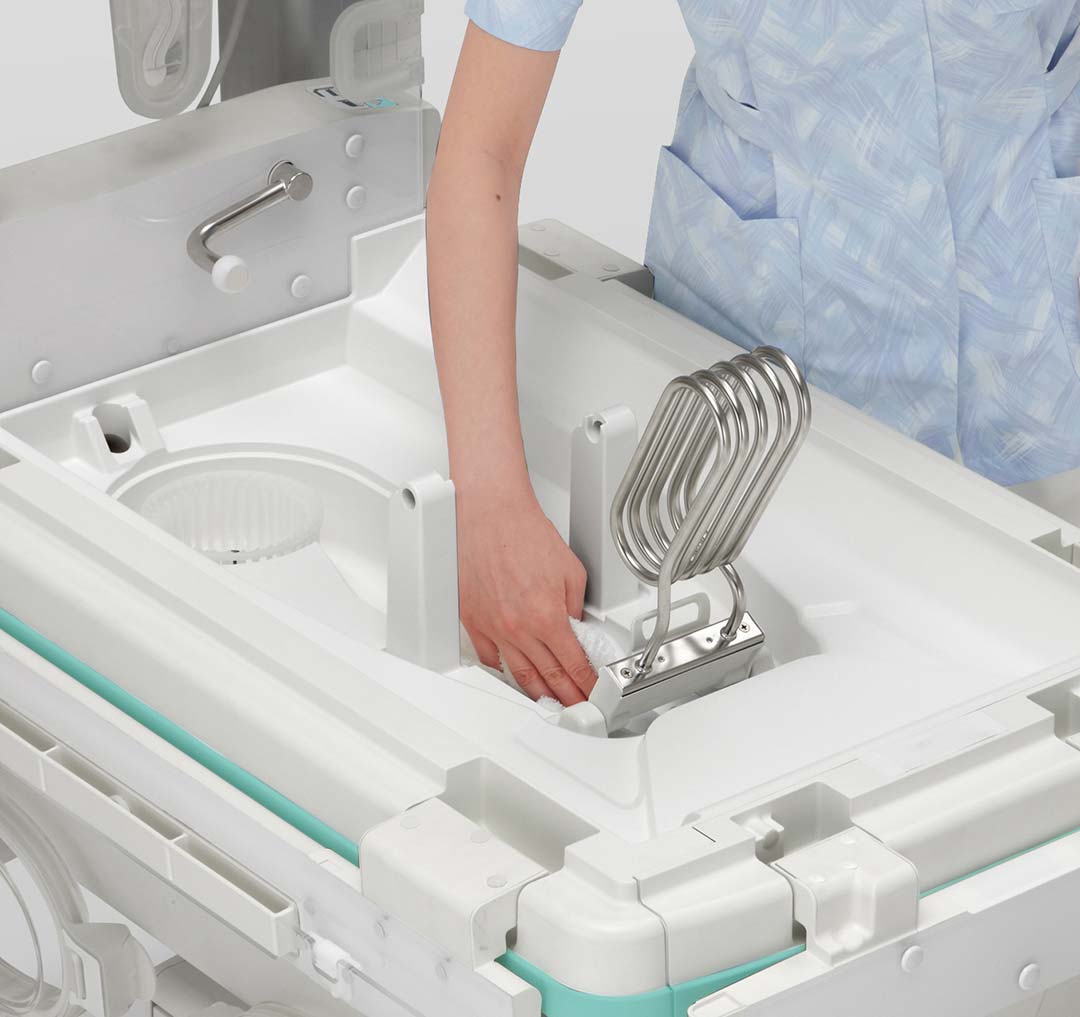
Second, cleaning is often difficult because the incubator cannot be adequately disassembled. Over time, small cracks appear in the materials and pathogens hide in those cracks. No amount of cleaning can remove them completely.
Third, the chemicals used for disinfection can be harmful to the baby’s sensitive olfactory system and strong smells cause stress affecting stability.

Incubators with double wall construction reduce condensation because the inner wall stays warm. Less moisture means less bacterial growth. An external design with smooth corners, components that can be cleaned easily and no hidden crevices where dirt and skin cells can accumulate, lower the risk of contamination.
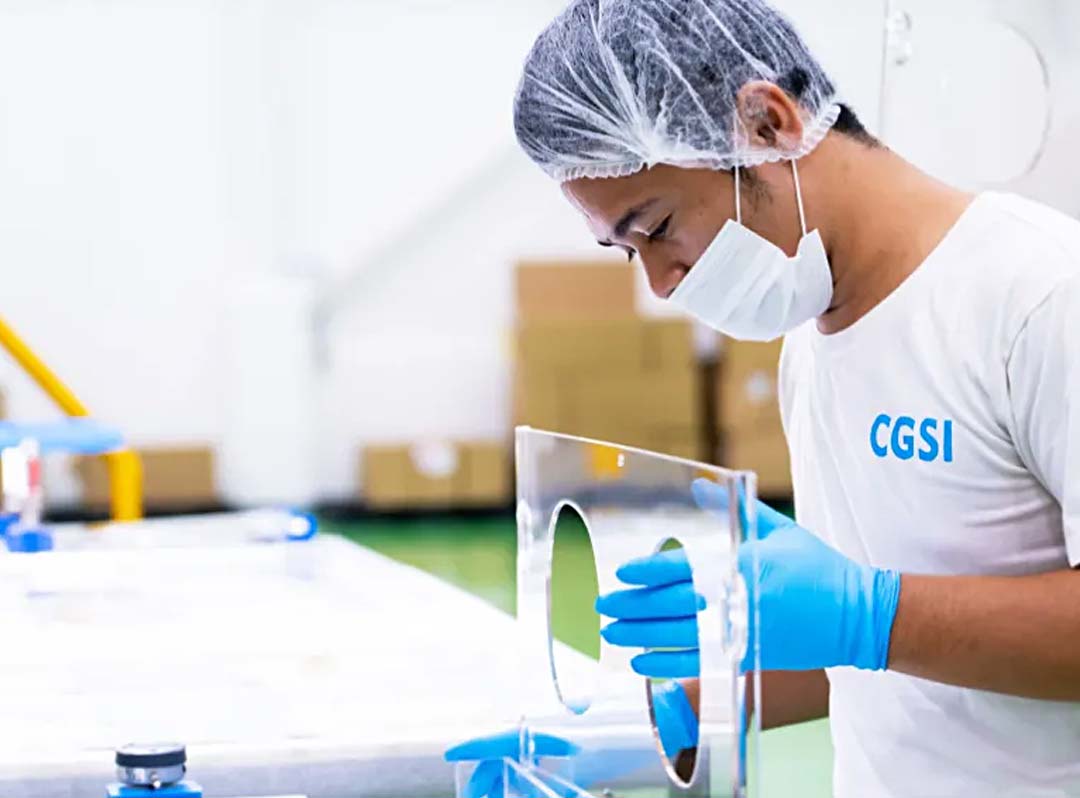
Materials that resist cracking even after hundreds of cleaning cycles keep the risk of bacterial growing much lower. When the equipment works with you, when it is easy to clean, when it does not create pools of water, then your job becomes easier and the baby becomes safer.