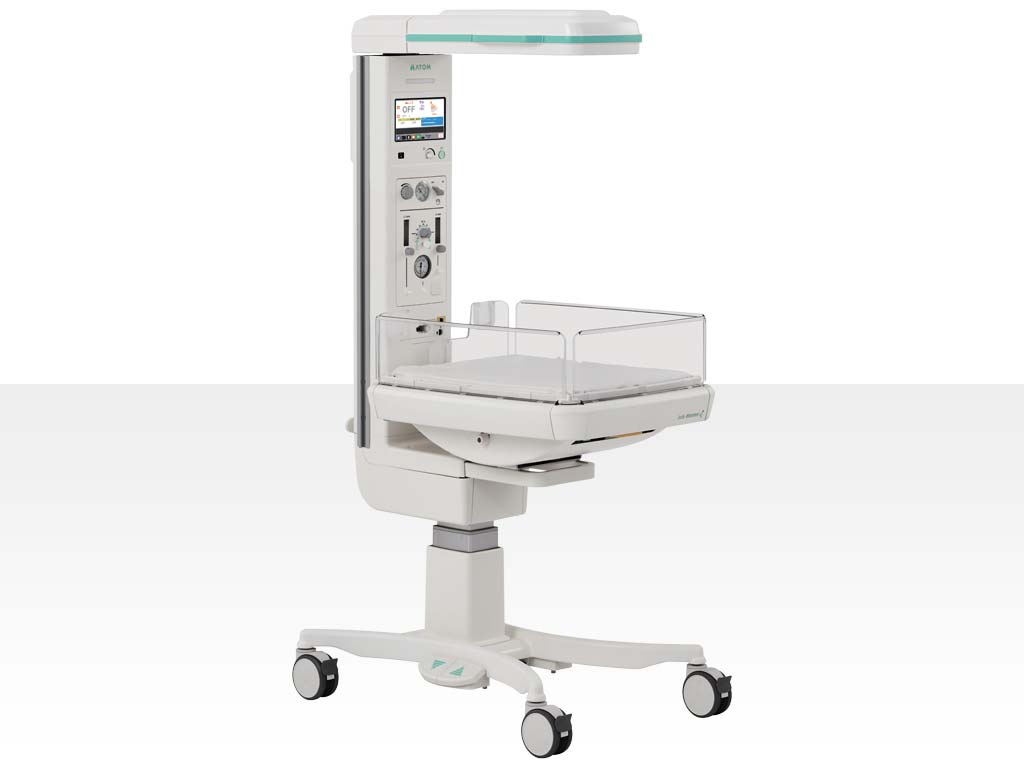
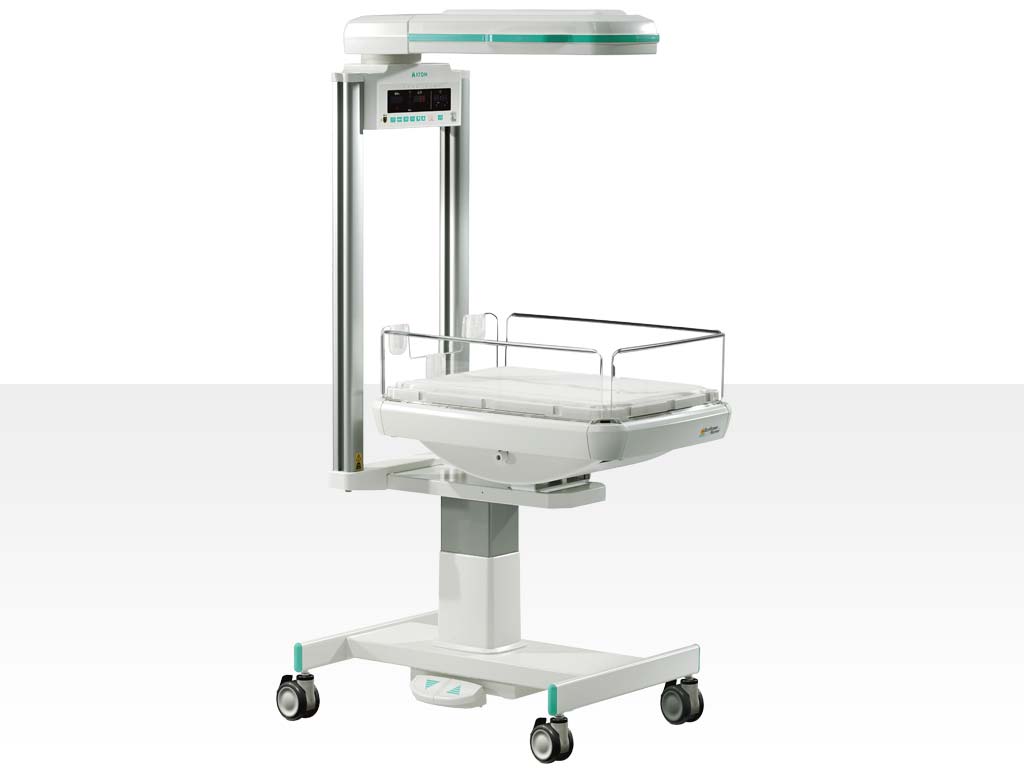
What makes far infrared different?
Infrared radiation spans a broad spectrum. Near infrared penetrates deeply into tissues; mid infrared reaches intermediate depths; but far infrared – the longest wavelengths – is absorbed primarily at the skin surface. This distinction matters enormously in neonatal care, where the infant’s skin is thin, fragile, and still developing.
In preterm infants, the skin is approximately 0.9 mm thick, with an epidermis of only about 25 μm – far thinner than adult skin. This means that far infrared energy, which is absorbed superficially in adults, can reach the dermis in premature babies, where blood vessels are located. The result is gentle, diffuse warming that is distributed throughout the body via blood flow, rather than deep, penetrating heat that could stress internal tissues.
Protecting developing eyes
One of the most significant advantages of far infrared technology is its interaction with the neonatal eye. Wavelengths in the near and mid infrared range can penetrate the eye and reach the retina, potentially causing thermal stress. Far infrared, by contrast, is absorbed by the anterior structures of the eye before it can reach the retina.
This means there is no direct thermal stimulation of the retina, no risk of retinal injury, and no unnecessary sensory stress during a critical period of visual development.
Supporting better monitoring
Pulse oximetry is one of the most fundamental monitoring tools in neonatal care, but it relies on adequate blood flow to the skin to obtain a reliable signal. In preterm infants, poor peripheral perfusion is common and can compromise the quality of SpO₂ readings affecting clinical decisions about oxygen therapy and respiratory support.
Far infrared heating has been shownn to increase blood flow and improve peripheral perfusion. This means more stable, reliable pulse oximetry signals, which in turn supports more accurate clinical decision‑making. It is a subtle but clinically meaningful benefit that extends well beyond thermal comfort.
Preserving fragile skin
The immature skin of preterm infants provides limited protection against water loss. Transepidermal water loss is a significant concern, contributing to fluid imbalance, electrolyte disturbances, and thermal instability. Radiant warmers, by their nature, expose the infant to air movement and radiant energy that can affect skin hydration.
Importantly, far infrared warming has not been associated with a marked increase in water loss compared to non‑humidified incubator care. This means that infants receiving far infrared heating are not subjected to an additional burden on their already fragile skin barrier which is a critical advantage in a population where skin integrity is a daily concern.