An Unfinished Brain
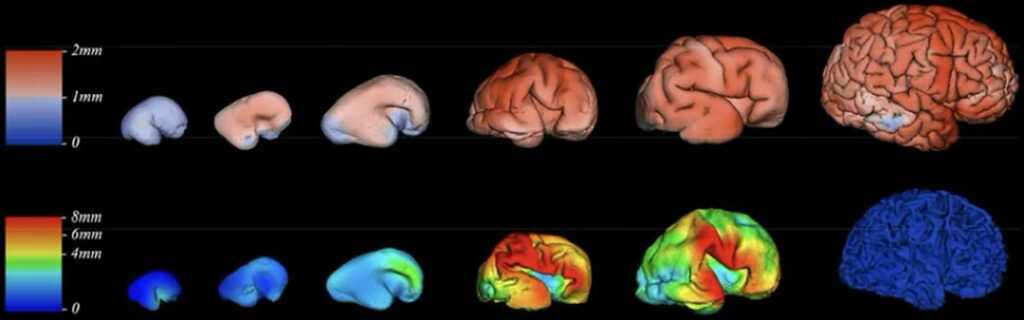
Neuroimage – 2019 February 15; 187: 226–254 doi:10.1016/j.neuroimage.2018.07.041.
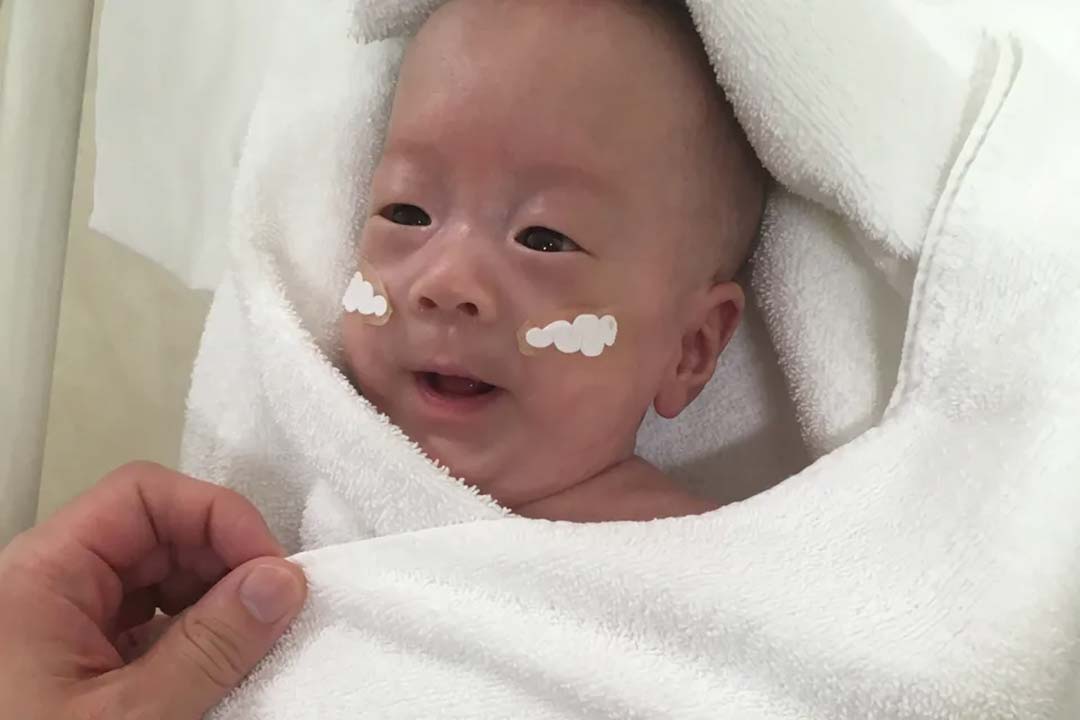
When a baby is born too early the brain is still immature.
The cells that should have developed in the quiet, dark, warm womb are now exposed to a very different place: the neonatal intensive care unit.
In the womb there are no sudden alarm, no bright lights and no sounds as loud as a rock concert.
The American Academy of Pediatrics recommends no more than 45 dBA for a preterm baby.
We are asking a brain that is not finished to survive in an environment it was never designed for…
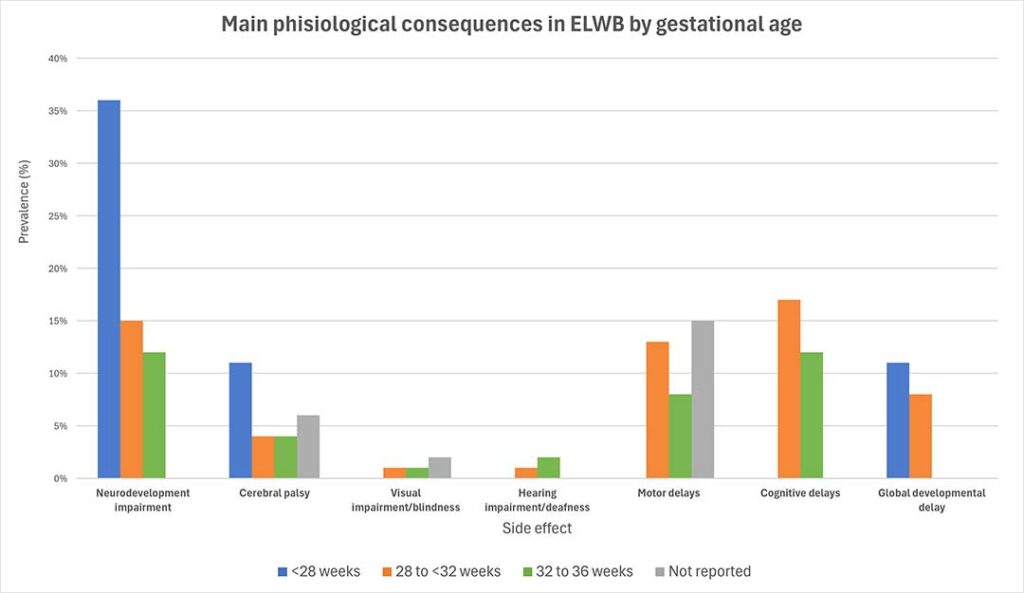
“Sultana S, Horiuchi S, Homer CSE, Baqui AH, Vogel JP. The prevalence of long-term neurodevelopmental outcomes in preterm-born children in low- and middle-income countries: a systematic review and meta-analysis of developmental outcomes in 72 974 preterm-born children.” J Glob Health. 2025;15:04106. Lionk (https://jogh.org/2025/jogh-15-04106).
Among many others, neurodevelopment and hearing impairment are one of the consequences for extremely pre-term babies in NICU.
It is diagnosed in up to 10% of preterm infants, compared to just 0.1% of the general population.
Light is also a problem.
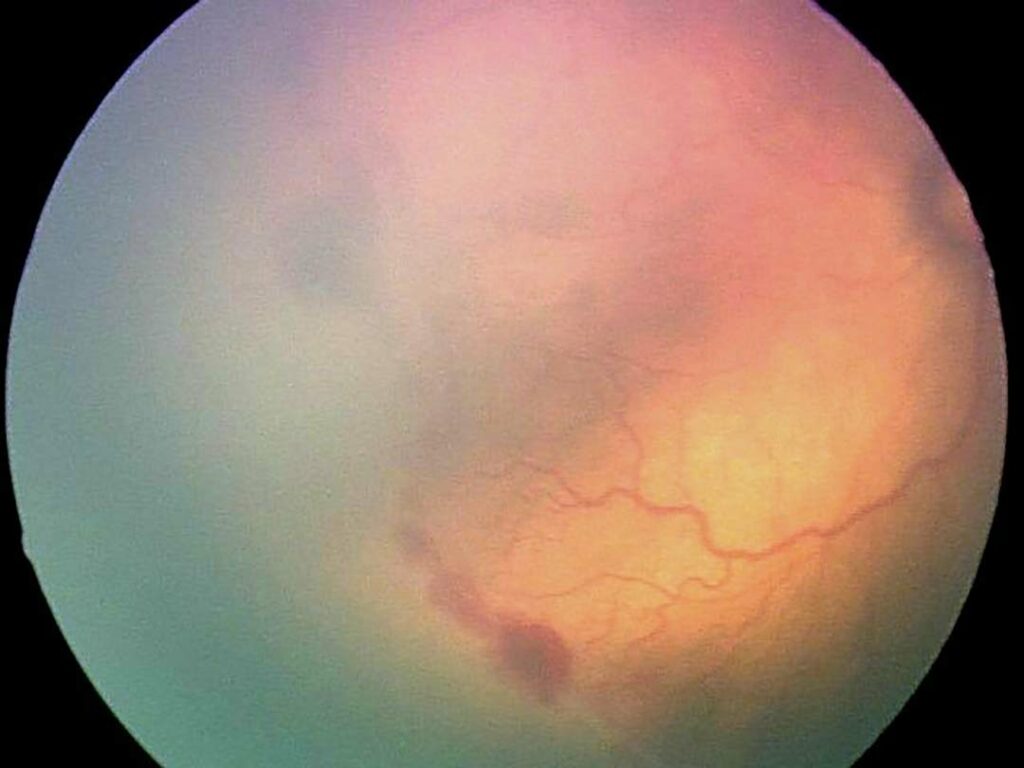
A baby’s eyes do not open before 27 weeks. The retina is fragile and studies have shown that normal NICU light levels can contribute to retinopathy of prematurity (ROP).
A less obvious stressor – touch – can threaten babies as well, most of all not the positive touch provided by parents. A small study in the UK placed a camera on an incubator for 24 hours. The result was astonishing: the baby was handled nearly 400 times in a single day. Each touch interrupts sleep, and sleep is when the brain grows, when the baby learns to self-regulate.
But that’s not all. For decades, there was a belief that newborns do not feel pain as adults do. We now know this is wrong. Premature babies have a lower threshold and are actually more sensitive to pain. Repeated pain in the first weeks of life has been linked to long-term changes in brain development, behaviour, and emotional function.
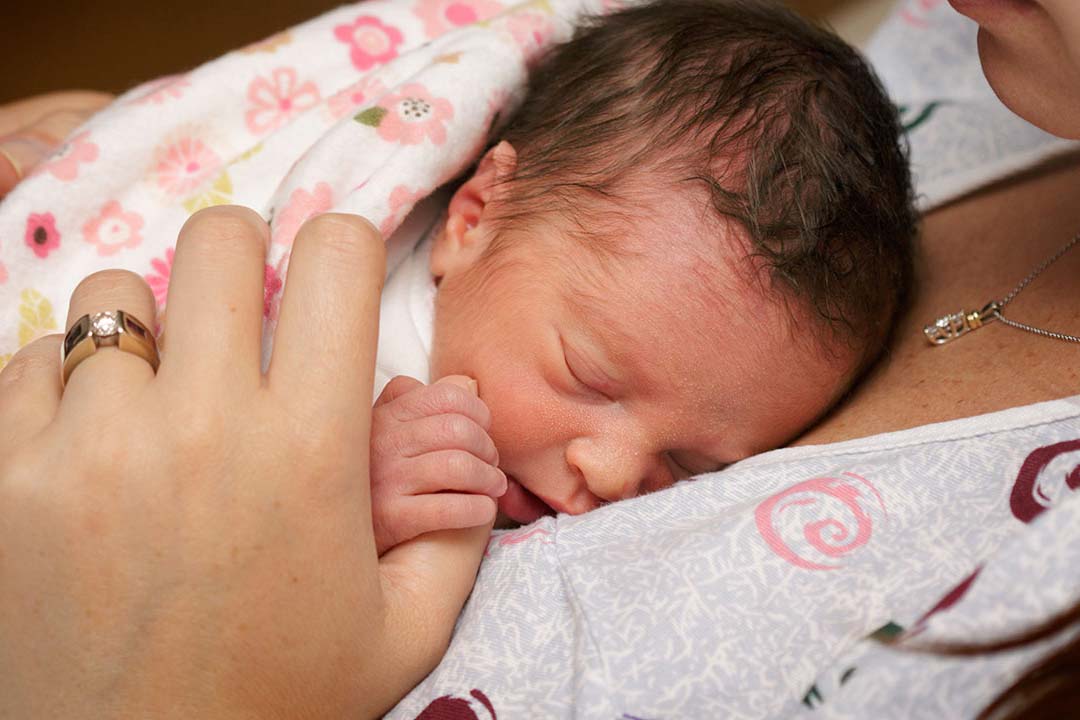
Stability during care is also necessary. Studies show that when parents are involved in care such as positive touch or Kangaroo care for at least six hours per day, babies gain weight faster and go home sooner, reducing heart rate, lowering oxygen consumption, and making the baby calm in a way that no machine can. Kangaroo care was first developed in Colombia in 1978 because there were not enough incubators. Today it is a powerful therapy: it reduces infections, hypothermia, severe illness, and shortens hospital stays. But this requires an environment that is safe for the baby and comfortable for the parents.
All of these practices require an environment that is stable, predictable, and gentle. The incubator is the baby’s protection, their shield between the unfinished brain and the external world.
A good incubator maintains temperature, that is the baseline, but the best incubator also protects the baby from the environment. It must be designed to isolate from external environment, protecting the baby’s from the fan noise, from hinges squeaks, shielding from bright lights and allowing access without exposure. When a nurse needs to reach the baby, the incubator should allow it not just without losing warm and humidified air, but also without letting in a burst of loud noise, smells and flashes.
ATOM MEDICAL has spent decades learning from the smallest babies and the teams who care for them. Our incubators are designed around a single question: What does this baby need right now? The answer is not always more technology, sometimes it is less noise, less light, less handling and more stability, more access for parents, more peace.
That’s why hospitals that care for sub-300-grams survivors choose ATOM, because the technology disappears, and the care remains.